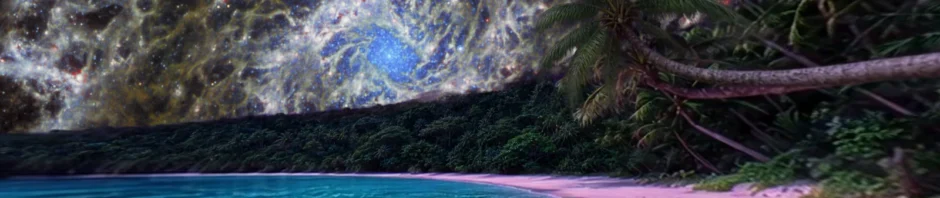
Some of the most amazing pictures of space we’ve ever had are coming out right now, and it’s easy to miss them. A galaxy can go by between two posts fighting for your attention, and a second later you’re already on to something else. I wanted to make a place where you could give one of those pictures more than a second.
The James Webb Space Telescope is out in space, about a million miles from Earth. Its gold-coated mirror is about 6.5 meters across. A giant sunshield keeps its instruments cold enough to pick up faint infrared light. That lets Webb see into dusty places where stars are forming and capture light from some of the earliest galaxies. In the Phantom Galaxy image, you can see the dust tracing the spiral arms.
The Vera C. Rubin Observatory is on a mountain in Chile. Its telescope actually has the wider mirror, at 8.4 meters, but it’s built for a different job. Its 3.2-gigapixel camera can take in a huge patch of sky in one shot, then come back to the same patch over and over to see what changed. That combination of scale and detail is what grabbed me in Rubin’s view of the Trifid and Lagoon nebulae.
I could’ve put the pictures in a gallery and called it a day. I wanted to see what I could pull off in 360, so I built a beach that doesn’t exist and put them overhead. You can sit there with the waves going, change the sky, and just look up for a while. I figured the internet could use a little more of that.
Cartwheel image: NASA, ESA, CSA, STScI · CC BY 4.0; cropped and reprojected.
What’s on the other side?
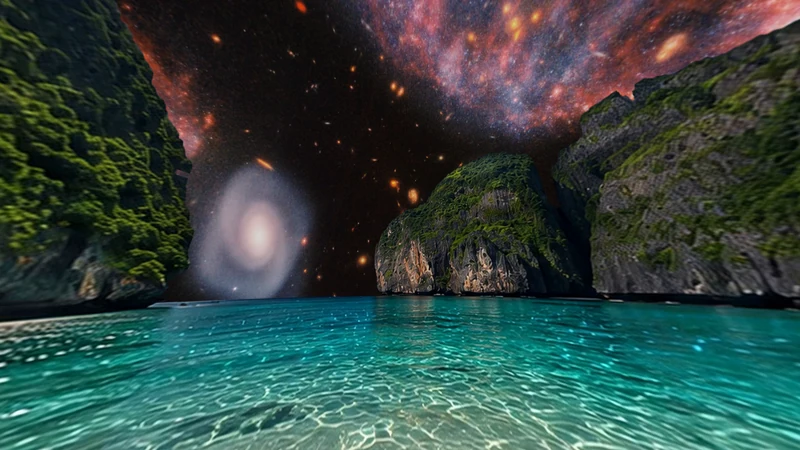
The first world has turquoise water, pink sand, a campfire, a clear kayak, and a UFO. Maya Bay After Dark is my nighttime take on the limestone cliffs and water at Maya Bay in Thailand. Pick either one and put the Phantom Galaxy over it, or switch to Rubin’s Trifid and Lagoon nebulae, Webb’s Cartwheel Galaxy, or another sky. The images are real telescope observations; the view from the beach is something I made. The skies aren’t to scale, and the viewer links to the original images and their credits.
Pick a sky to start with
Tap a photo to open that sky in the world.
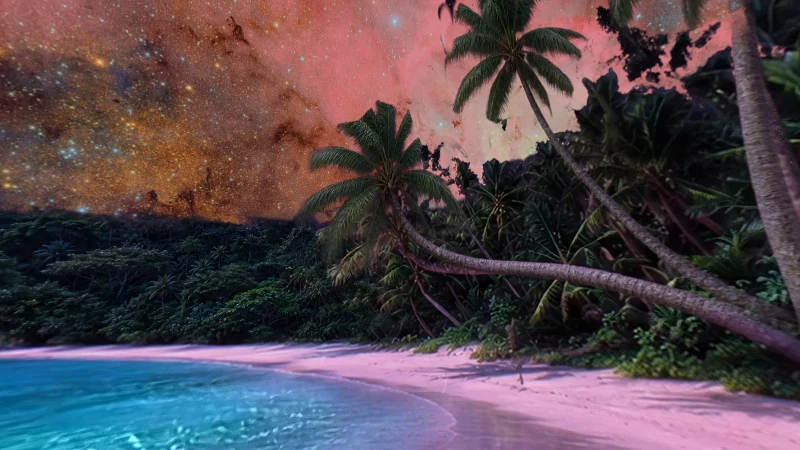 Trifid & Lagoon
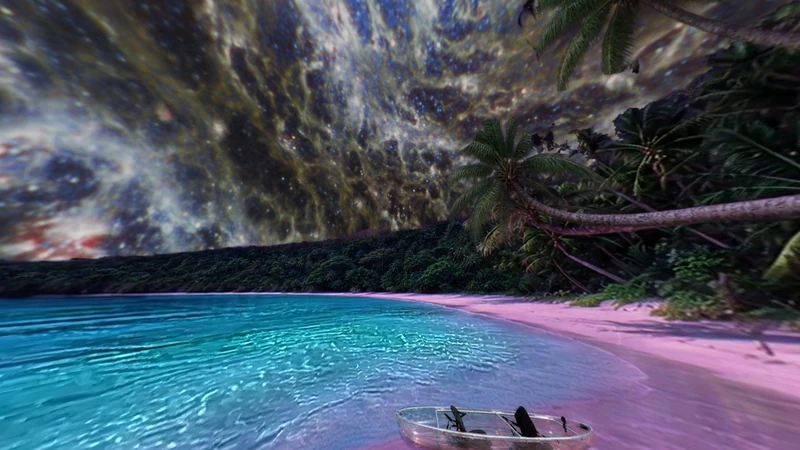 Phantom GalaxyCartwheel Galaxy over Maya Bay
Telescope images are cropped and reprojected for the worlds. CC BY 4.0.
How to use it
Open the project, pick a World, pick a sky, and hit Look up. On a computer you can drag to look and use WASD to move around. On a phone you can drag and use the on-screen arrows. You can pause the sky or mute the surf whenever you want.
On a Quest 3, open the standalone player directly in Quest Browser. Choose your world and sky, then hit Enter VR. This first version is for looking around from one spot. Turn your head and take your time. If you’d rather start with a video, here’s the five-minute 360° Other Shore film.
More worlds and more real places
There are plenty more worlds I want to make. I’m learning what actually works in a headset while editing this stuff, and I picked up an Insta360 X6 for more projects. I want to use it for places you can really visit, too, like my 360° walk at Norriego Point in Destin or the rays that came right up to shore at Navarre Beach. I’ve also shot at Fort Pickens. The idea is that you can look around before you go, or get a feel for the place if you can’t get there at all.
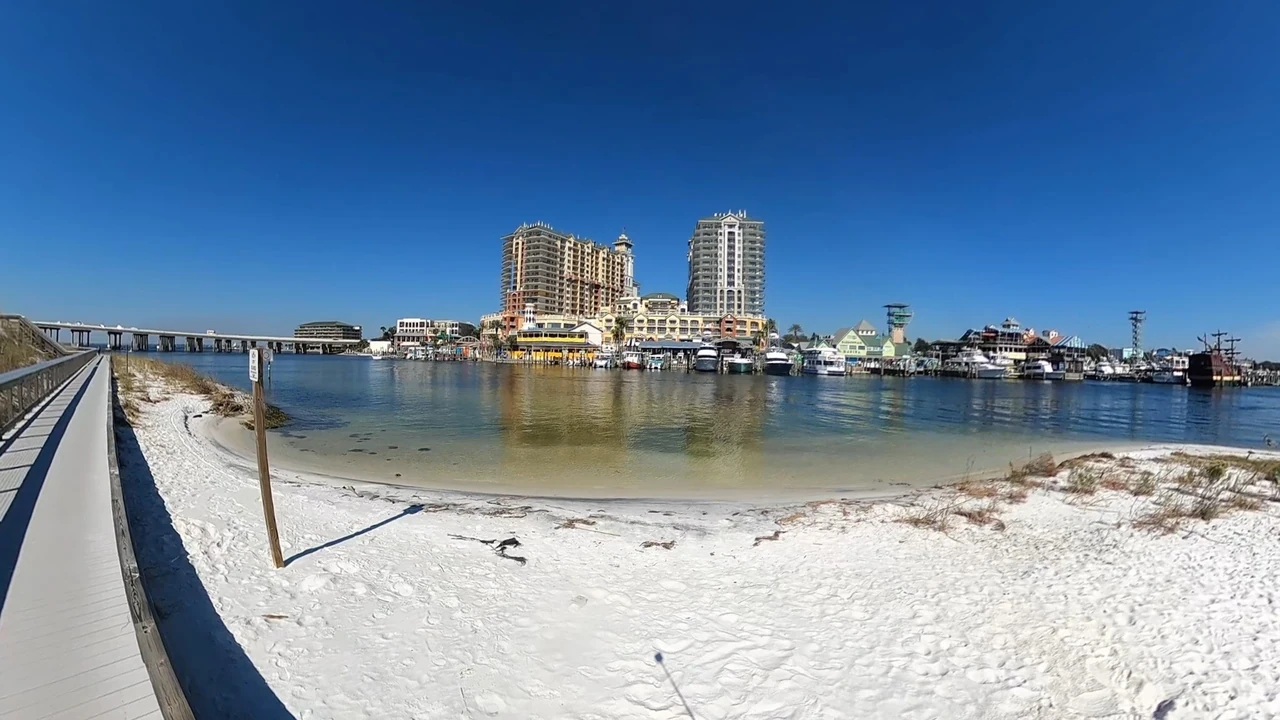
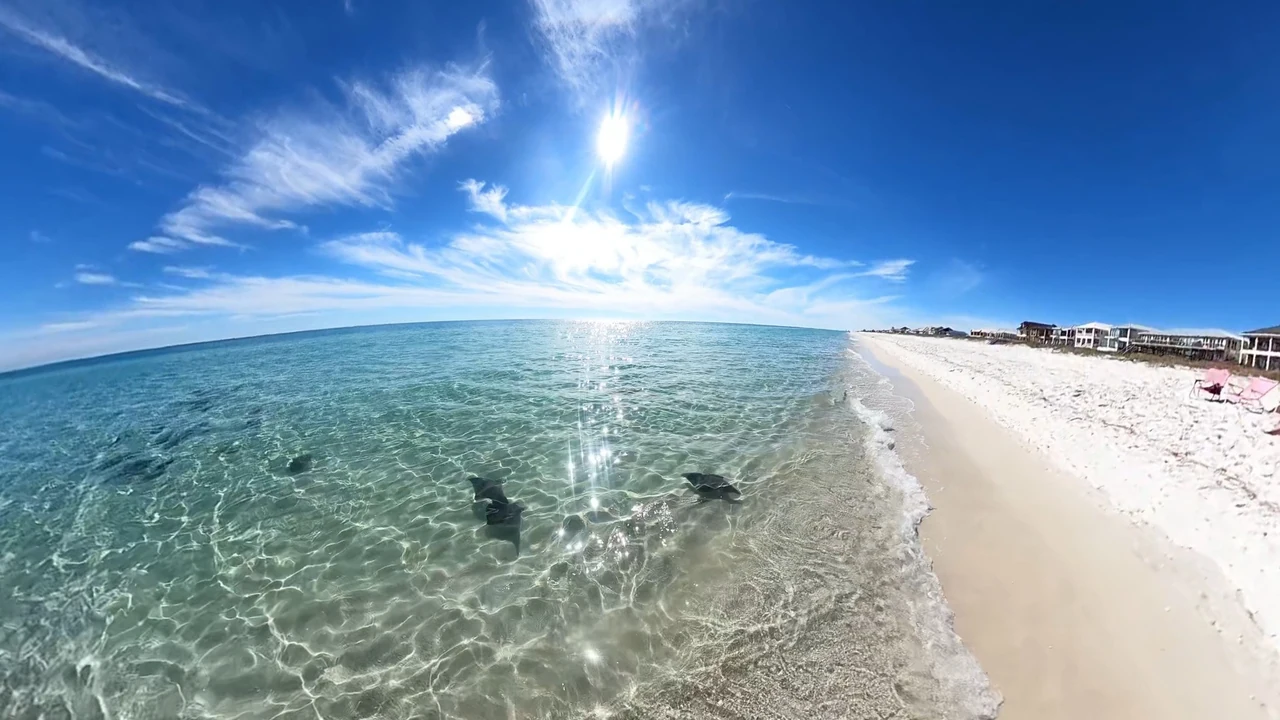
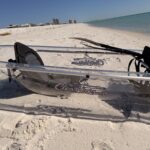
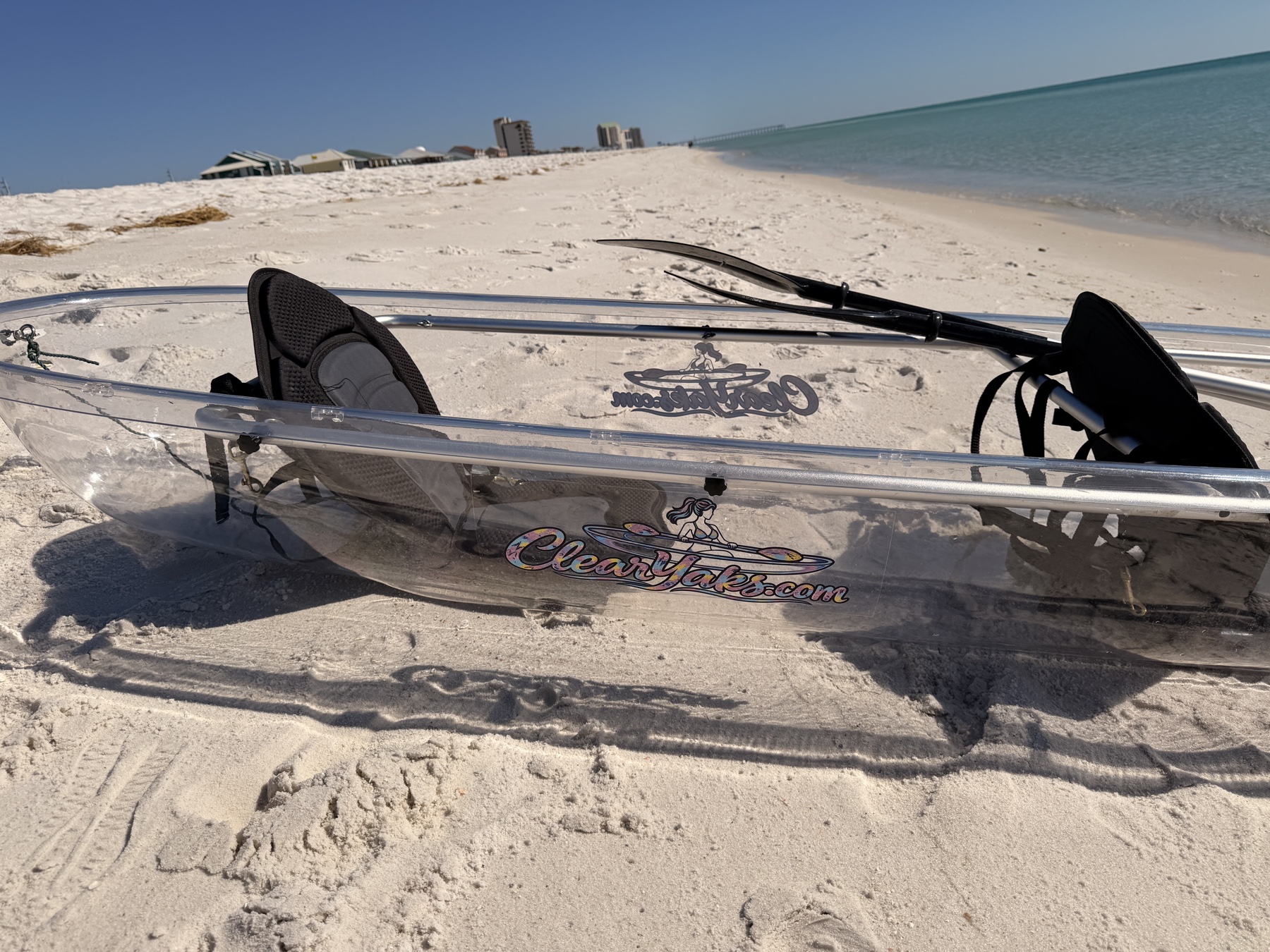
That clear kayak in the world comes from Clear Yaks, my real clear kayak project. I’ve been filming them around the Emerald Coast, and I want to bring more of that real footage into the VR side as I figure out what’s fun to explore. A portal from an alien beach to an actual stretch of Florida shoreline would be a good place to start.
What would you call it?
The Other Shore is the working name. I’m still looking for one that fits a place you can keep coming back to and find a new world or a new sky. If you have a better name, leave it in the comments. And tell me where you’d want the next world to take you.
Featured image: The Other Shore composite with Webb’s Phantom Galaxy. Image credit: ESA/Webb, NASA & CSA, J. Lee and the PHANGS-JWST Team. Acknowledgement: J. Schmidt. CC BY 4.0; cropped and reprojected.
Discover more from Preston Shamblen
Subscribe to get the latest posts sent to your email.